Posh jars of beans, fancy cooking oils and bougie tonic waters have tempted many of us to splash out in the hope of discovering a more exciting taste. Now tinned tomatoes, the basis of so many home-cooked meals, have entered the era of the premium takeover.
Mutti, the Italian brand whose tinned tomatoes retail at about £1.60 compared with about 50p for a tin of supermarket own-label, is poised to overtake Napolina, which retails at about £1 a tin, as the UK’s biggest non-supermarket brand of tinned tomatoes, passata and paste.
It reached the No 1 spot for the first time in the 12 weeks from February, according to market data, with a share of nearly 11%. Mutti is on track to hold that prime position for the rest of the year, helped by a £6m marketing campaign, including TV adverts. Supermarket own labels still control more than 60% of the market.
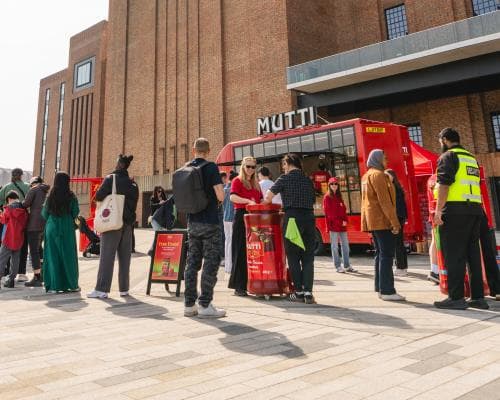
Mutti is a family-owned brand, which arrived in the UK in 2020. It increased sales here by 19% last year, reaching €26.2m (about £22.4m) for the UK and Ireland. It now has a van touring UK cities, including Manchester, Liverpool, Edinburgh and Cardiff, to promote its products, which now extend to ready-made sauces and ketchup.
Founded in 1899 and based in the province of Parma, the company processed a record 725,000 tonnes of tomatoes last year. Francesco Mutti, great-grandson of one of the founders, says the brand is gaining popularity because of its focus on taste.
“We think and believe that it can really play a significant role in a cuisine,” he said on a trip to London to kick off its van tour. “It’s not Champagne but it has dignity, and is full of flavour.”
Mutti works with 1,000 farming families across Italy to provide its tomatoes, which are processed over about 70 days from mid-July to late September.
Dhiresh Hirani, Mutti’s UK boss, said the brand has benefited from word of mouth and had created a “cult of tomato lovers”. He also put the brand’s success down to a shift towards cooking from scratch since the Covid lockdowns, when many families learned new techniques while stuck at home.
Despite the tins’ hefty price tag, Hirani said the cost of living crisis had helped sales, as many households who are saving money by eating at home rather than in restaurants seek out quality ingredients.
“That’s what did allow us to build our distribution,” said Hirani, who has led the brand from Sainsbury’s and then Waitrose into all the big supermarkets by 2024.
However, like many food brands, Mutti is coming under pressure from rising fuel and energy costs driven by the conflict in the Middle East as well as extreme weather prompted by the climate crisis.
Francesco Mutti says that if energy prices do not drop by July then it will put pressure on margins; and if packaging suppliers, whose costs are also linked to oil and energy costs, also put up prices then this cost may have to be passed on supermarkets and consumers.
The business has put up “plenty of solar panels’ on its buildings to help offset electricity costs but cannot cover all its energy requirements to process the tomatoes.
He says the industry is much hoping that energy prices reduce by the critical July start point: “We cannot anticipate, we cannot postpone. We can do nothing. We can just pay the energy in that momentum and transform the tomatoes when they are perfectly ripe.”